
Birdak Talking
Editorial #18
It was at The Wetland Centre in Cockburn that I found myself walking the Bibra Lake boardwalk on a grey day with the word Melaleuca stuck in my head. Loud and sticky as honey. This had been happening for months, the word popping into my head at the most random of times. I had no idea what it meant. I couldn’t figure out where I had heard it. Melaleuca.
I followed the boardwalk, shrouded by paperbarks, and rounded a corner to a tree hanging over the walkway, swaying, waving, in the breeze. Melaleuca. That word again. There were few leaves left on this tree and only one flower cluster. Half of the flower was still curled up tight in green buds. The other half had opened, exploding in little pockets of fibrous, red, strands. I stopped. I pressed my hand to the branches. The sign in front of it read Melaleuca Lateritia. Birdak.
Even now, I taste the word in my mouth like a cough lolly, a remedy for a cold I don’t yet have. Melaleuca. I don’t know why I was led to that tree. All I know is that I heard something calling to me, and I listened.
So, what does it mean to listen? Not just to a voice, but to our bodies, too. To our guts, to our hearts, and (though probably less so) to our brains.
When does listening become political? Whose voices are amplified by the media, and whose are buried? Where does your voice lie in all of this, by choice or otherwise? When you speak, are you witnessed?
Listening is the foundation upon which we can build communities that are designed for everyone to thrive – not just a select few. When we listen, we hear. And when we hear, we can make change. Listening is powerful. It is resistance, it is allyship, it is love, it is connection. Listening is the mother of transformation. It’s the bridge between the not-knowing and the knowing. It dismantles, then it rebuilds.
Let us not forget, for there to be listening, there first needs to be telling. This issue features thirteen pieces of non-fiction from First Nations and culturally and linguistically diverse storytellers who have each responded to the question, what does it mean to listen? Their responses come in the form of flash memoir, poetry and photographic essay.
Some of the stories in this collection have been produced through community workshops as part of First Stories, a Lotterywest-funded project, and its sister project, Solid Connections.
First Stories is a two-year truth-telling and truth-listening project run in partnership between Centre for Stories and First Nations and culturally and linguistically diverse communities across Western Australia. This project aims to nurture and grow the skills and confidence of both storytellers and listeners.
The storytellers in this issue will take you through red-dirt Country, forest walks guarded by totems, mother tongues and motherlands, and trees as wide as the universe. Step inside the walls of this issue. Pour yourself a cuppa. Simmer down. Be still. Allow these pieces the space to speak, and when they do I ask you to do only one thing – listen.
- Isabelle Biondi Saville
This special issue has been made possible thanks to funding from Lotterywest through the First Stories project. 
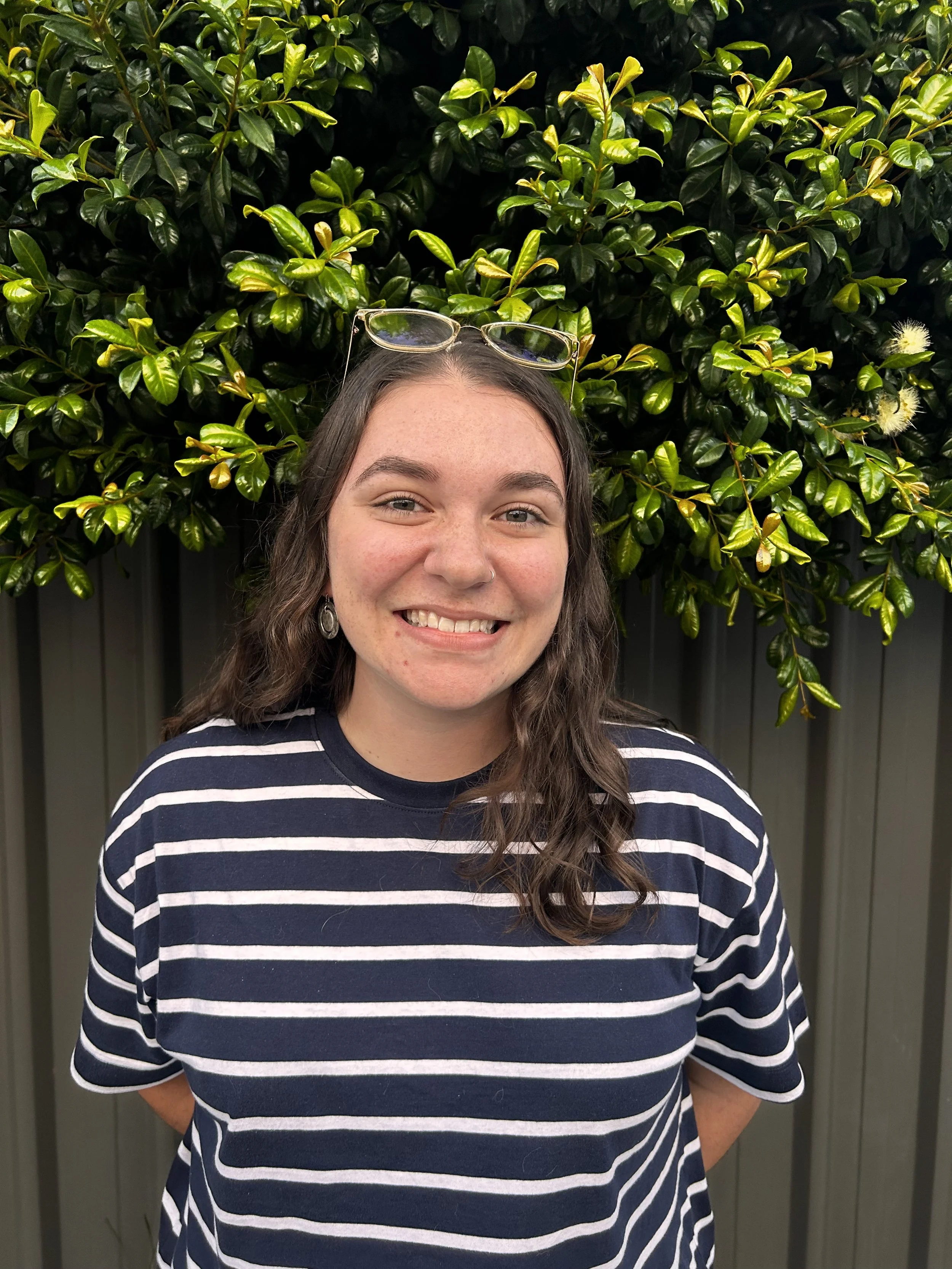
Isabelle Biondi Saville is a writer and editor of Yamatji and Italian descent from Boorloo. She is published in several print and online journals, and in 2024 was long listed for Best Australian Yarn. She believes in the power of words and their ability to connect us all.